The Ghosts We Keep: Why Gen Z Is Resurrecting the Design Movements Modernism Left Behind
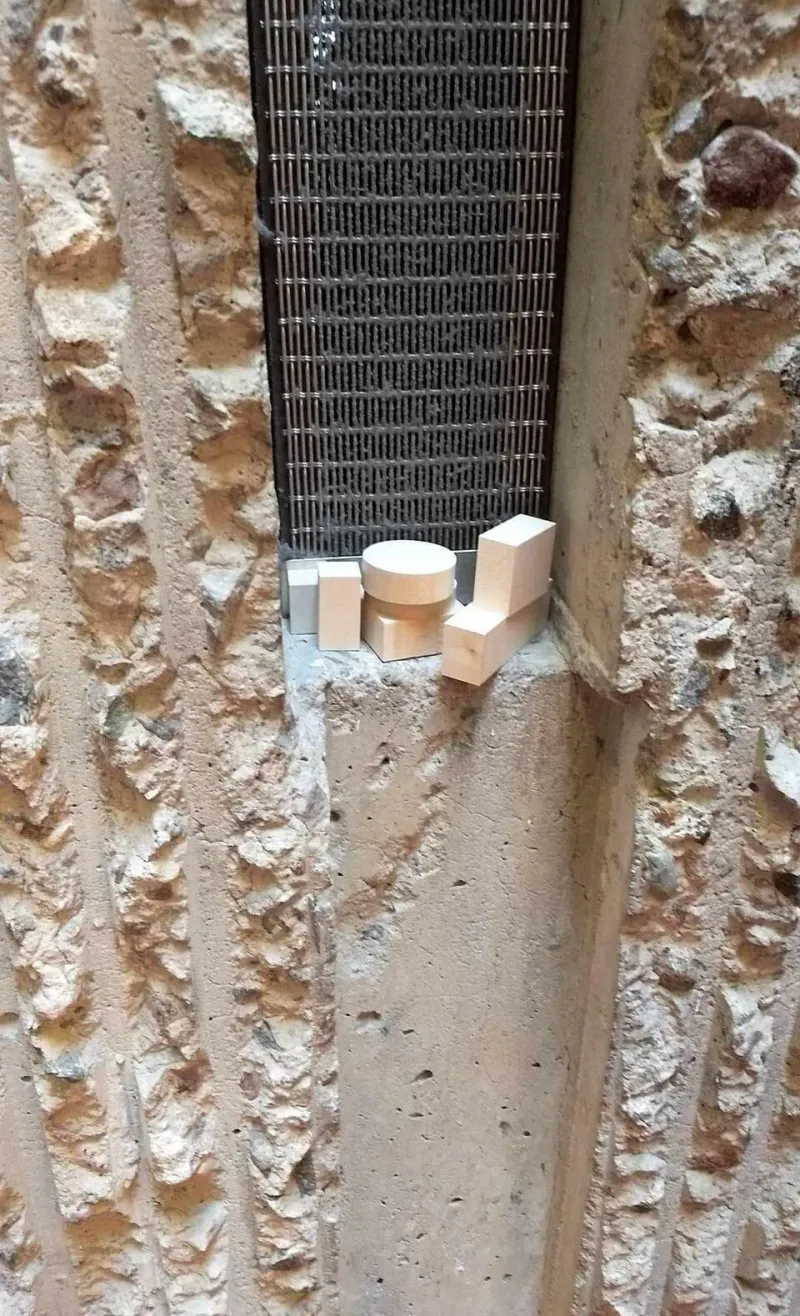
Photo: RukshanV, CC BY-SA 4.0, via Wikimedia Commons
Something strange and rather wonderful is happening in the aesthetic consciousness of young America. Scroll through the design-adjacent corners of Instagram or TikTok on any given afternoon and you will encounter a visual landscape that feels simultaneously retro and urgently contemporary: raw concrete facades photographed with reverent attention, Memphis Group furniture in rented apartments, Art Deco typography on hand-printed zines, Postmodern color palettes bleeding across independent fashion labels. The movements that modernist orthodoxy once declared dead — too excessive, too theatrical, too politically compromised — are being exhumed with considerable enthusiasm by the very generation that never lived through their original moment.
This is not nostalgia in the conventional sense. It is something more intellectually alive, more deliberately chosen, and considerably more revealing about where we are as a culture.
Brutalism: The Ugly Duckling That Became an Icon
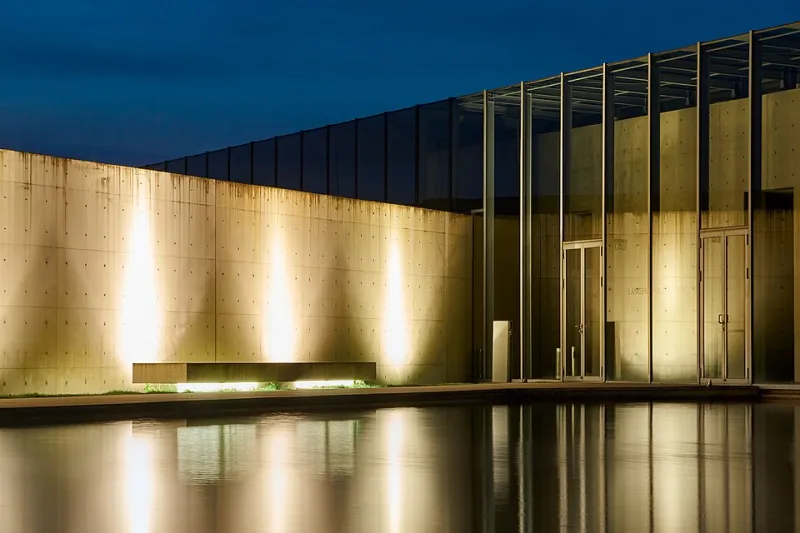
Of all the design revivals currently animating the feeds of younger creatives, Brutalism may be the most improbable. Born in postwar Britain and flourishing through the 1960s and 70s, Brutalist architecture — characterized by its unapologetic use of raw concrete, monolithic massing, and rejection of decorative concealment — was, for decades, among the most reviled building traditions in the Western world. American cities demolished their Brutalist civic structures with something approaching civic pride.
And yet, here we are. Brutalism now commands a dedicated following among architecture students, urban photographers, and design-literate millennials who speak of its remaining examples with a reverence once reserved for Gothic cathedrals. Accounts dedicated to documenting Brutalist structures accumulate hundreds of thousands of followers. The aesthetic has migrated into graphic design, furniture, and even fashion, where its raw materiality and structural honesty read as antidotes to the frictionless polish of the digital world.
What changed? Partly, time created distance — distance sufficient to separate the buildings from their associations with failed social housing policy and bureaucratic indifference. But there is something more specific at work. For a generation that came of age amid the relentless optimism theater of Silicon Valley, Brutalism's refusal to prettify its own structure feels almost morally refreshing. It is, in its way, a design philosophy that says: this is what this is, and it does not apologize for existing.
Postmodernism's Unlikely Second Act
If Brutalism was maligned for its severity, Postmodernism was condemned for precisely the opposite quality: its exuberance, its irony, its cheerful willingness to plunder history for decorative effect. The movement that gave us Michael Graves's Portland Building, Ettore Sottsass's Memphis furniture, and the playful typographic chaos of early desktop publishing was, by the mid-1990s, considered the design world's most embarrassing relative — the one who talks too loudly at dinner and refuses to be serious.
The Gen Z reclamation of Postmodern aesthetics is one of the more fascinating cultural phenomena of the current moment. Sottsass's Memphis pieces, once dismissed as expensive kitsch, now appear in the apartments of young creatives in Brooklyn and Silver Lake as deliberate statements. The movement's signature palette — dusty rose, seafoam green, terracotta, black laminate — has permeated indie fashion with remarkable thoroughness. Architectural Postmodernism is being reconsidered in academic circles, with younger critics arguing that its pluralism and historical playfulness were not weaknesses but prescient responses to modernism's authoritarian certainties.
The appeal, when examined closely, is not difficult to understand. Postmodernism was fundamentally about the rejection of singular, totalizing narratives — the insistence that multiple histories, multiple references, and multiple voices could coexist within a single designed object or space. For a generation that has grown up in an environment of radical plurality, that sensibility resonates in ways it perhaps could not for the critics who originally dismissed it.
Art Deco and the Longing for Crafted Permanence
The revival of Art Deco occupies a slightly different register. Where Brutalism and Postmodernism appeal to younger designers partly through their conceptual provocations, Art Deco's resurgence is rooted in something more sensory: a hunger for the handmade, the elaborate, the materially luxurious. Geometric ornament in gold and ebony, sunburst motifs, the particular opulence of lacquered surfaces and inlaid veneers — these are aesthetic pleasures that exist in direct opposition to the minimalist austerity that has dominated design discourse for the better part of two decades.
On Etsy and in independent home goods markets, Art Deco-inflected objects are among the most sought-after categories for millennial and Gen Z buyers. The style's appearance in indie fashion — particularly in accessories and textile patterns — speaks to a desire for adornment that feels earned, specific, and historically grounded rather than algorithmically generated.
There is also, it must be said, a complicated politics to contend with here. Art Deco emerged from a period of profound social inequality, and its original luxury objects were produced for a narrow stratum of society. Contemporary practitioners engaging with the aesthetic are, at their most thoughtful, doing so with an awareness of this history — finding ways to democratize its pleasures through accessible production methods while acknowledging what the original movement's exclusivity reveals about its cultural moment.
What the Cycle Reveals
Taken together, these revivals form a pattern that rewards examination. Each of the movements being reclaimed shares a particular quality: they were suppressed or dismissed not simply because they failed aesthetically but because they failed to conform to the dominant ideological framework of their moment. Brutalism was too associated with collectivism; Postmodernism was too ironic for an era demanding earnestness; Art Deco was too ornamental for a modernism that equated decoration with moral failure.
The generation now resurrecting these movements is, implicitly, questioning those original verdicts. In doing so, they are also questioning the authority of the critical and commercial establishments that issued them. This is, at its core, a deeply progressive aesthetic impulse — a refusal to accept that the history of design is a straight line moving toward some perfected, purified end state.
In an era of digital homogeneity, where algorithmic recommendation systems perpetually narrow the range of what is seen and valued, the deliberate excavation of suppressed or unfashionable design traditions represents a form of cultural resistance. The ghosts young creatives are keeping are not relics of a simpler time. They are arguments — about plurality, about the value of difficulty, about what gets to count as beautiful and why.
That is, when you consider it carefully, a rather sophisticated conversation to be having through the medium of concrete and color and ornament. And it is one that shows no signs of concluding.